Women's Health
Why Your Moisturiser Isn’t Enough: The Case for Deep-Dermal Hydration
Even the most luxurious creams have their limits. We explore the science of dermal hydration and how new clinical approaches are redefining what it means to have truly moisturised skin.
'''
The Ritual and The Reality
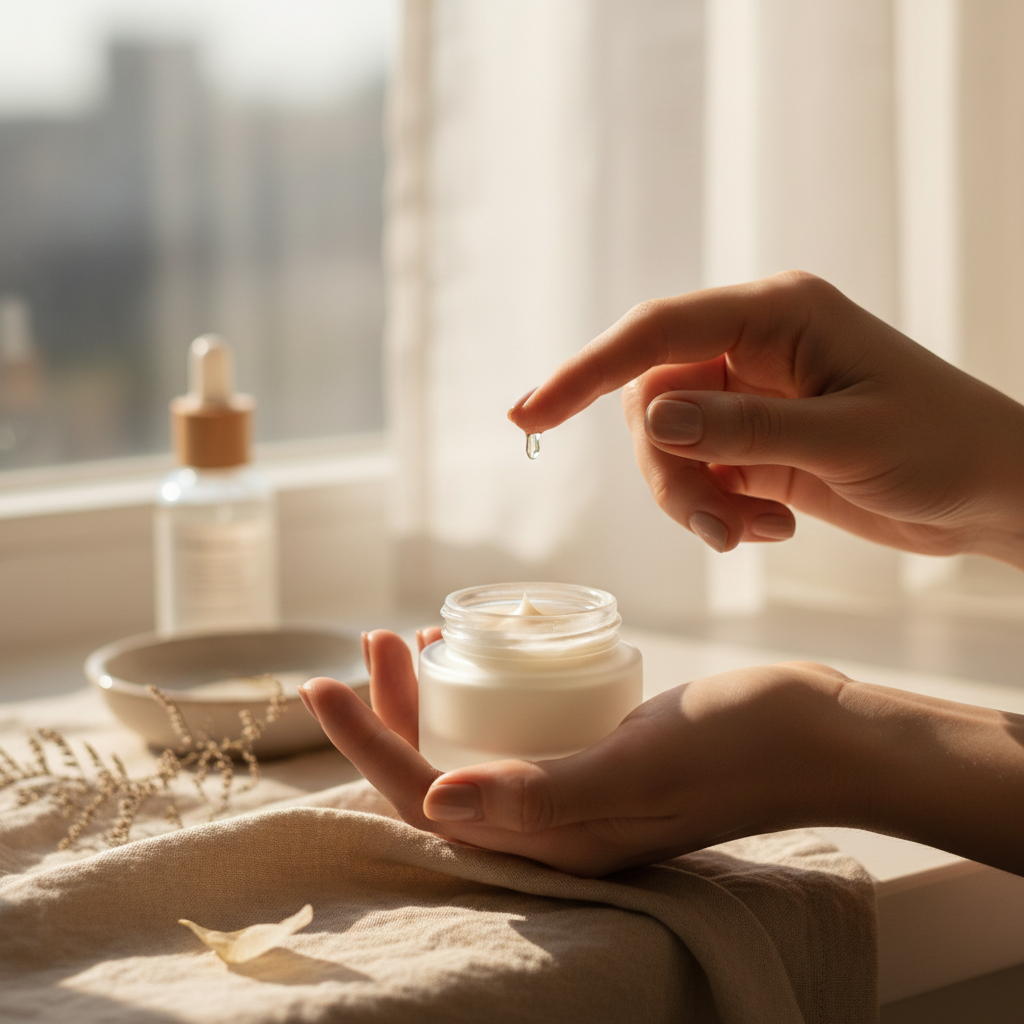
For most of us, the daily act of applying moisturiser is a cherished ritual. It’s a moment of self-care, the final, comforting seal on our skincare routine. We invest in elegant jars and sophisticated formulas, all promising to bestow a dewy, youthful glow. And they do, to an extent. A good topical moisturiser is non-negotiable for a healthy skin barrier, but what if we told you that even the most expensive cream can only go so far?
The feeling of dryness, dullness, or fine, crepey lines that persists despite a diligent routine is a common frustration. This isn't a failing of your chosen product, but rather a simple matter of skin anatomy. The secret to profound, lasting hydration doesn't lie on the surface—it resides much deeper.
The Limits of Topical Hydration
To understand why your moisturiser has its limits, we must first appreciate what it does exceptionally well. The primary role of a topical cream is to support the outermost layer of your skin, the stratum corneum. This layer acts as a vital barrier against the outside world.
Moisturisers typically work in two main ways:
- Occlusives: Ingredients like petrolatum or shea butter create a physical barrier to prevent ‘transepidermal water loss’ (TEWL), effectively locking moisture in.
- Humectants: Ingredients like glycerin and the much-celebrated hyaluronic acid attract water from the air and the lower levels of the skin, drawing it towards the surface.
This is crucial for surface suppleness and barrier health. However, the key limitation is penetration. Many moisturising molecules, including the hyaluronic acid found in topical serums and creams, are simply too large to pass through the tightly packed upper layers of the skin to reach the dermis, the skin’s living ‘engine room’. Think of it as watering the leaves of a plant—it offers a temporary quench, but it does little for the roots deep in the soil.
A Deeper Story: The Dermis
The dermis is where the magic happens. This deeper layer is a dynamic matrix of collagen, elastin, and the body’s own natural reservoir of hyaluronic acid. It’s this dermal layer that dictates your skin’s firmness, elasticity, and—critically—its intrinsic hydration levels. When the dermis is well-hydrated, the entire complexion appears plump, smooth, and luminous from within.
Unfortunately, our natural stores of dermal hyaluronic acid deplete over time due to ageing, sun exposure, and lifestyle factors. As these levels drop, the skin loses its ability to hold onto water, leading to a loss of turgor and the appearance of fine lines and a lacklustre tone that no surface cream can fully resolve.
Bridging the Gap: The Rise of 'Injectable Moisture'
This is where aesthetic medicine has evolved beyond merely chasing wrinkles. Instead of just treating the consequences of ageing, the focus has shifted towards improving fundamental skin quality. Enter the concept of deep-dermal hydration, often delivered through treatments known as ‘skin boosters’.
This new category of treatment doesn’t aim to change the shape of your face, add volume, or immobilise muscles. Its sole purpose is to replenish the skin’s internal moisture reservoir by delivering hyaluronic acid directly into the dermis.
How Do Skin Boosters Work?
Using a series of precise micro-injections, a practitioner introduces a very fine, fluid-like hyaluronic acid gel into the skin. Unlike the thicker gels used for traditional dermal fillers, this HA is designed to disperse evenly throughout the dermis.
Once in place, it acts like a powerful internal sponge. Each molecule draws and holds onto many times its weight in water, creating a deep and lasting level of hydration. This internal plumping effect smooths fine lines, improves skin texture, and restores a natural, dewy radiance.
Furthermore, this process has a secondary benefit known as bio-remodelling. The presence of the hyaluronic acid and the subtle mechanical stimulation from the injections can encourage your skin to produce its own new collagen and elastin, leading to a healthier, more resilient skin structure over time.
Who Can Benefit?
Deep-dermal hydration isn’t reserved for mature skin. It’s a suitable treatment for anyone seeking to improve their skin quality, including:
- Individuals with persistently dry or dehydrated skin, regardless of age.
- Those noticing early signs of ageing like fine, crepey lines around the eyes or on the cheeks.
- Anyone wishing to improve overall skin texture, firmness, and glow.
- People looking for a ‘prejuvenation’ strategy to maintain excellent skin health for the future.
A Partnership for Radiant Skin
Deep-dermal hydration is not a replacement for your daily moisturiser. Rather, the two are perfect partners. While skin boosters work to hydrate the dermis from within, your topical creams will continue to protect the surface and prevent that newfound internal moisture from escaping.
One addresses the roots, the other protects the leaves. Together, they create the optimal environment for your skin to truly flourish.
If you feel your complexion has lost its radiance, a consultation with a qualified medical aesthetics practitioner can help you understand if addressing deep-dermal hydration is the right next step for you. It’s a move beyond temporary surface effects, towards achieving a genuinely healthy and luminous complexion from the inside out. '''
Information in this article is for educational purposes only and is not a substitute for a professional medical consultation. Please speak with a qualified practitioner about treatments suited to your individual needs.