Women's Health
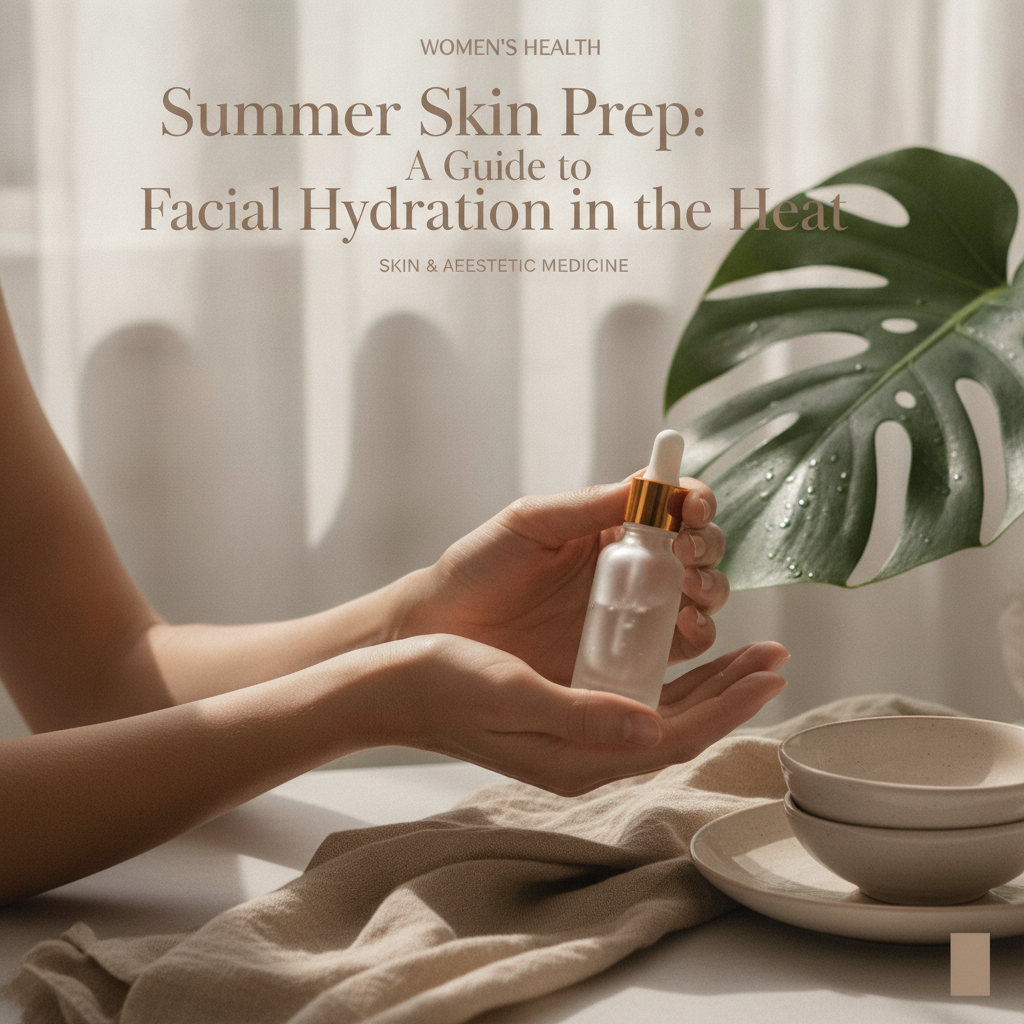
Summer Skin Prep: A Guide to Facial Hydration in the Heat
As temperatures rise, our skin's needs change. Discover how to keep your complexion beautifully hydrated and balanced all summer long with our evidence-aware guide.
'''
The Summer Hydration Paradox
Summer brings with it long, sun-drenched days and a welcome sense of ease. We often associate the season with a certain glow, yet the combination of heat, sun exposure, and air conditioning can create a perfect storm for skin dehydration. It feels like a paradox: in a season of humidity, how can our skin possibly be left feeling parched?
The truth is that facial skin can lose a significant amount of moisture during the summer months. This isn't just about feeling dry or tight; dehydrated skin can also lead to a compromised barrier, increased sensitivity, and even an over-production of oil as the skin tries to compensate. Understanding how to hydrate effectively—without feeling heavy or greasy—is the key to maintaining a balanced, comfortable complexion all season long.
Why Summer Weather Challenges Our Skin
Several environmental factors contribute to the depletion of our skin's water reserves during warmer months.
- Sun Exposure: The sun is a primary culprit. Ultraviolet radiation can impair the skin's barrier function, leading to increased trans-epidermal water loss (TEWL), which is the process of water evaporating from the skin's surface.
- Air Conditioning: Moving from the outdoor heat into an air-conditioned office or home feels like a relief, but it exposes our skin to a constant flow of dry, cool air. This environment effectively draws moisture out of the epidermis, leaving it feeling tight and dehydrated.
- Sweat and Sebum: While sweating is the body's natural cooling mechanism, when it evaporates, it can take some of the skin's precious moisture with it. For some, the heat also triggers an increase in sebum (oil) production, which can be mistaken for hydration, leading them to skip essential moisturising steps.
- Chlorine and Salt Water: Summer activities often involve swimming. Both chlorinated pools and saltwater can be harsh on the skin, stripping it of its natural lipids and contributing to dryness and irritation.
Adjusting Your Routine for Summer Hydration
Maintaining hydrated skin doesn't require a complete overhaul of your routine, but rather a few thoughtful adjustments to align with the season.
1. Cleanse Gently
Start by assessing your cleanser. Foaming cleansers that leave your skin feeling ‘squeaky clean’ may be too stripping for summer, especially if your skin is already stressed by the sun. Consider switching to a milder, pH-balanced formula, such as a milky lotion or a gel-based cleanser, that removes impurities and sunscreen without compromising your skin’s delicate moisture barrier.
2. Layer Lightweight Hydrators
This is where you can make the biggest impact. Instead of relying on a single, heavy cream, think in layers. After cleansing, while your skin is still slightly damp, apply a dedicated hydrating product.
Look for serums or essences containing humectants. These are ingredients that attract and bind water to the skin. Key examples include:
- Hyaluronic Acid: A celebrated humectant that can hold many times its weight in water, providing a significant hydration boost.
- Glycerin: A reliable and effective humectant that helps to fortify the skin barrier and prevent moisture loss.
- Niacinamide: This versatile ingredient (a form of Vitamin B3) not only helps improve skin barrier function but also has anti-inflammatory properties and can help regulate sebum production, making it ideal for summer.
3. Choose a Seasonally-Appropriate Moisturiser
Your rich winter cream might feel too occlusive and heavy in July. The goal of a summer moisturiser is to seal in the hydration from your serum and prevent TEWL without feeling suffocating. Look for lightweight lotions or gel-cream textures. These formulations provide essential moisture with ingredients like ceramides to support the skin barrier, but in a base that feels more breathable and comfortable in the heat.
4. Never Skip Sunscreen
Sun protection is the most critical step in any skincare routine, and it is paramount in summer. A broad-spectrum sunscreen with at least SPF 30 protects your skin from UV damage, which in turn preserves your skin barrier and prevents the moisture loss that follows sun exposure. Many modern sunscreens are formulated with hydrating ingredients, allowing them to double as your morning moisturiser.
A Note on Oily and Combination Skin
It is a common misconception that oily skin does not require hydration. In fact, oily skin can be just as dehydrated as dry skin. When the skin lacks water, it can sometimes produce even more oil to compensate. If you have oily skin, the layering principles still apply. Focus on oil-free humectant serums and lightweight, non-comedogenic gel moisturisers to provide water-based hydration without adding extra oil.
Consulting a Professional
While these tips provide a general framework, every individual’s skin is unique. If you are struggling with persistent dryness, sensitivity, or breakouts, it is always best to consult with a dermatologist or qualified aesthetic clinician. They can provide a personal assessment and recommend a tailored approach to help your skin thrive. '''
Information in this article is for educational purposes only and is not a substitute for a professional medical consultation. Please speak with a qualified practitioner about treatments suited to your individual needs.