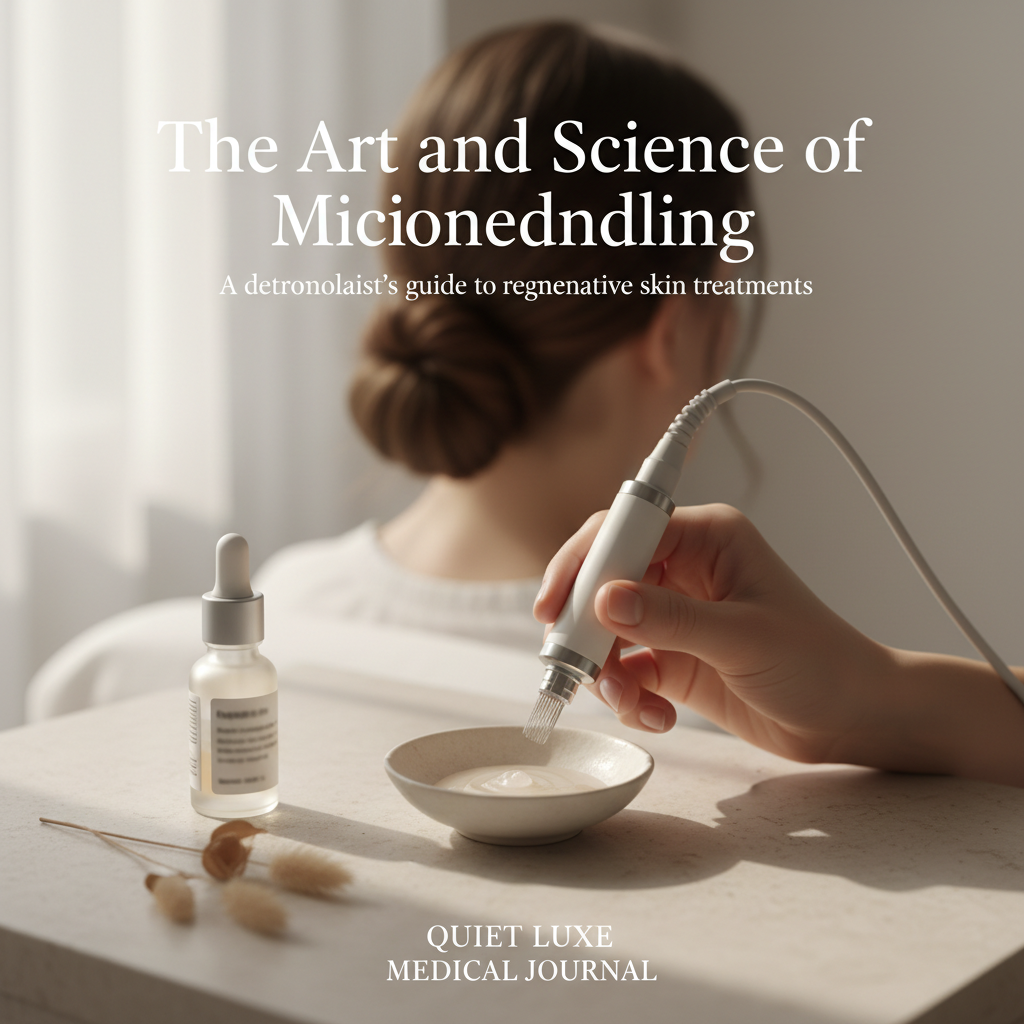
The Art and Science of Microneedling
Often referred to as collagen induction therapy, microneedling is an advanced aesthetic treatment that harnesses the skin’s own healing capabilities to improve texture, tone, and overall radiance. Here’s what you need to know about this popular procedure.
'''
A Modern Approach to Skin Rejuvenation
In the world of aesthetic medicine, few treatments have captured as much interest as microneedling. While the concept of using fine needles for therapeutic purposes has historical roots, its modern application as a sophisticated skin treatment has firmly established it as a cornerstone of clinical practice. Known more formally as collagen induction therapy, microneedling offers a compelling, minimally invasive approach to addressing some of the most common skin concerns.
It works on a simple yet profound principle: by creating precise, controlled micro-injuries in the skin, we can prompt a powerful, natural healing cascade. The result is a complexion that appears smoother, firmer, and more refined over time. It is this elegant synergy with the body’s own restorative functions that makes it such a notable procedure.
The Science of Controlled Healing
To understand microneedling is to appreciate the skin’s remarkable capacity for repair. The treatment uses a specialised device—either a pen-like instrument with disposable sterile needle tips or a manual roller—to create thousands of tiny vertical channels in the top layers of the skin.
These micro-channels are significant enough to trigger the body’s wound-healing response, but small enough that they typically close within hours. This process unfolds in three key phases:
- Inflammation: Immediately after the procedure, the immune system is activated to disinfect the wounds, increase blood flow, and begin creating new tissue.
- Proliferation: New granulation cells, which are rich in collagen and elastin, begin to form and rebuild the skin’s structure.
- Remodelling: The newly formed collagen is organised and strengthened, leading to a visible improvement in skin quality. The full results of this phase can continue to develop for several months post-treatment.
By stimulating the production of new, high-quality collagen and elastin—the essential proteins responsible for the skin’s firmness and elasticity—microneedling effectively helps to remodel the skin from within.
What Skin Concerns Can Microneedling Address?
One of the reasons for microneedling's popularity is its versatility. Because it works by reinforcing the fundamental structure of the skin, it can be used to improve a wide range of concerns. A course of treatments is typically recommended for optimal results.
Primary applications include:
- Fine Lines and Wrinkles: By boosting collagen, microneedling helps to plump the skin, softening the appearance of ageing.
- Scarring: It is particularly effective for atrophic (depressed) scars, such as those left by acne. The treatment helps to break down old, fibrous scar tissue and replace it with new, healthy skin.
- Uneven Skin Texture: The regenerative process leads to a smoother, more uniform skin surface.
- Enlarged Pores: While pore size is genetically determined, microneedling can help to tighten the skin around them, making them appear smaller.
- Pigmentation Issues: By encouraging cellular turnover, it can help in gently lifting certain types of hyperpigmentation, such as sun spots. However, it must be approached with caution in skin prone to post-inflammatory hyperpigmentation.
The Treatment Journey: What to Expect
Undergoing microneedling in a clinical setting is a structured and controlled process.
Before the Treatment
Your journey should always begin with a thorough consultation with a qualified clinician. They will assess your skin, discuss your goals, and confirm your suitability for the treatment. You may be advised to prepare your skin with specific topical products for several weeks beforehand.
During the Treatment
On the day, a topical anaesthetic cream is usually applied for 30-45 minutes to ensure comfort. Once the skin is numb, the clinician will cleanse the area and begin the procedure, moving the microneedling device across the treatment zone. Many people describe the sensation as feeling like light sandpaper moving over the skin.
After the Treatment
The immediate aftermath is typically characterised by moderate redness and a feeling of warmth, similar to a mild sunburn. This inflammatory response is a normal and necessary part of the healing process and generally subsides within 24-48 hours. Post-treatment care is crucial: you will need to use gentle, hydrating products and be meticulous about applying a broad-spectrum sunscreen, as your skin will be more sensitive to UV radiation.
Important Considerations
While microneedling is a powerful tool, it requires a thoughtful approach.
- Professional Expertise is Non-Negotiable: At-home microneedling devices (derma-rollers) carry significant risks of infection, scarring, and textural damage due to improper technique, dull needles, and an inability to ensure a sterile environment. Professional treatments use medical-grade, single-use needles and are performed by trained practitioners who understand skin anatomy.
- It Is Not a Quick Fix: Lasting, meaningful results are achieved through a series of treatments, typically spaced four to six weeks apart.
- It Is Not for Everyone: Microneedling is contraindicated for individuals with active acne, skin infections (such as cold sores), certain skin conditions like eczema or psoriasis in the treatment area, or a history of keloid scarring.
A Considered Step Towards Skin Health
When performed by a skilled professional, microneedling is an exceptionally effective method for genuinely improving the health and appearance of your skin. It stands apart by working with the body, leveraging its innate intelligence to create natural, lasting change.
If you are curious to learn more about whether collagen induction therapy is right for you, the best next step is to schedule a consultation with a dermatologist or a certified aesthetic clinician. They can provide a personal assessment and guide you toward the most appropriate and safest treatment plan for your unique skin. '''
Information in this article is for educational purposes only and is not a substitute for a professional medical consultation. Please speak with a qualified practitioner about treatments suited to your individual needs.